
The Rogue Valley AVA: A Guide to One of Oregon’s Most Dynamic Wine Regions
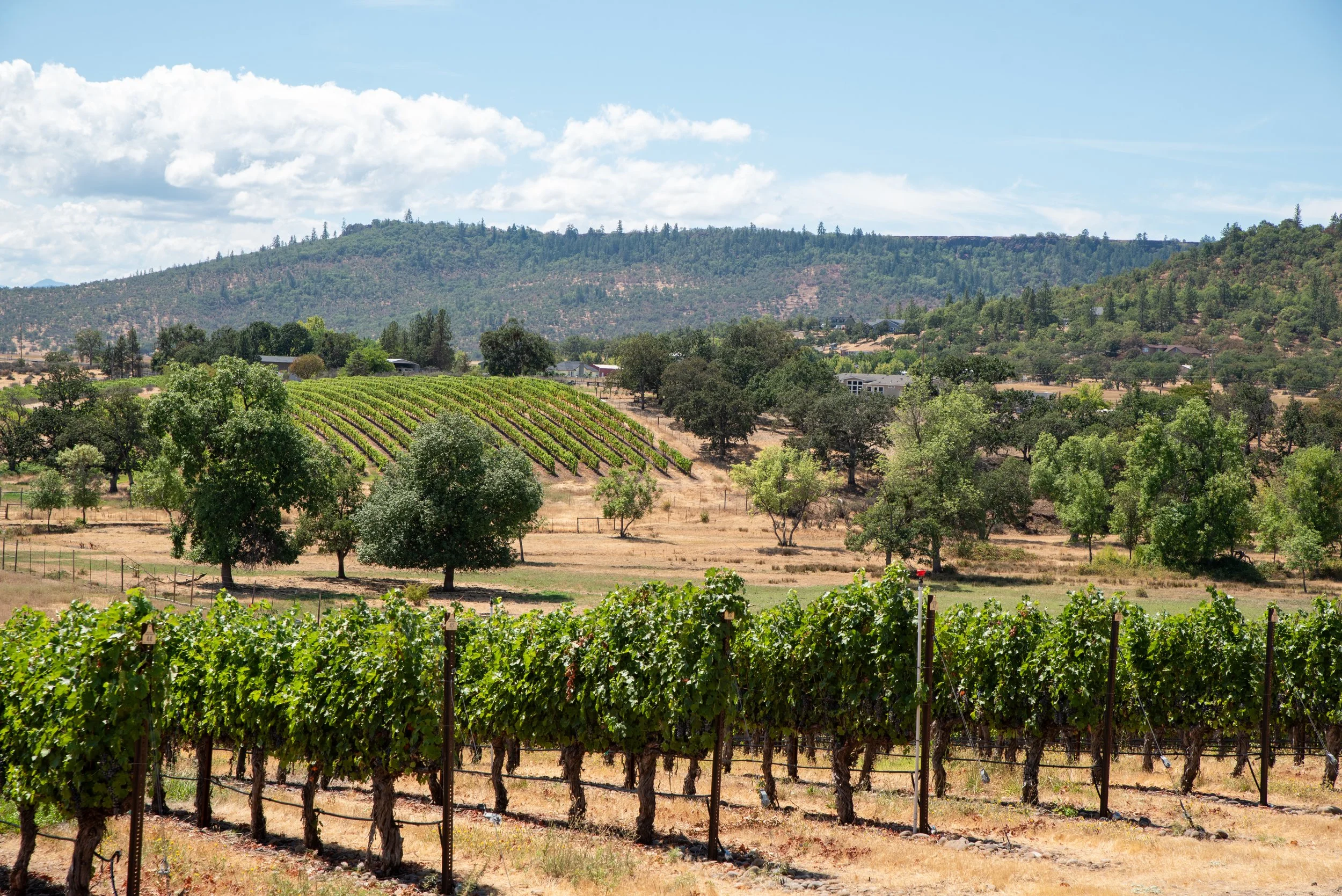
Southern Oregon’s Rogue Valley AVA is one of the most geographically diverse wine regions in the United States. Stretching across a wide landscape of river valleys, mountain foothills, and rolling hillsides, the region supports an impressive range of grape varieties and wine styles.
Established in 1991, the Rogue Valley AVA encompasses a large portion of Southern Oregon and includes several distinct growing areas, including the Applegate Valley AVA,, the Bear Creek Wine Trail, the Upper Rogue Wine Trail, and the Jacksonville and Ashland wine areas. WHile the APplegate Valley AVA is the only official nested AVA, each of these regions is still distinct with its own climates and personalities. Differences in elevation, soil composition, and climate across these subregions create a patchwork of vineyard sites where both warm- and cool-climate grapes can thrive.
Today, the Rogue Valley is known for its diversity. More than seventy grape varieties are planted across the region, reflecting both the varied terroir and the independent spirit of Southern Oregon’s winemakers. For visitors, the region offers scenic landscapes, welcoming tasting rooms, and a wine culture defined by experimentation and craftsmanship.
This guide explores the geography, terroir, wines, wineries, and visitor experience that make the Rogue Valley one of Oregon’s most dynamic wine destinations.
Where Is the Rogue Valley AVA?
The Rogue Valley AVA lies in Southern Oregon, centered around the communities of Medford, Ashland, and Grants Pass. The appellation covers portions of Jackson, Josephine, and Douglas counties and follows the watershed of the Rogue River and its tributaries.
Stretching roughly sixty miles from east to west, the Rogue Valley is surrounded by mountain ranges that shape its climate and landscapes. The Cascade Mountains rise to the northeast, while the Siskiyou and Klamath Mountains frame the region to the south and west. These mountains create natural boundaries that influence airflow, temperature, and rainfall patterns across the valley.
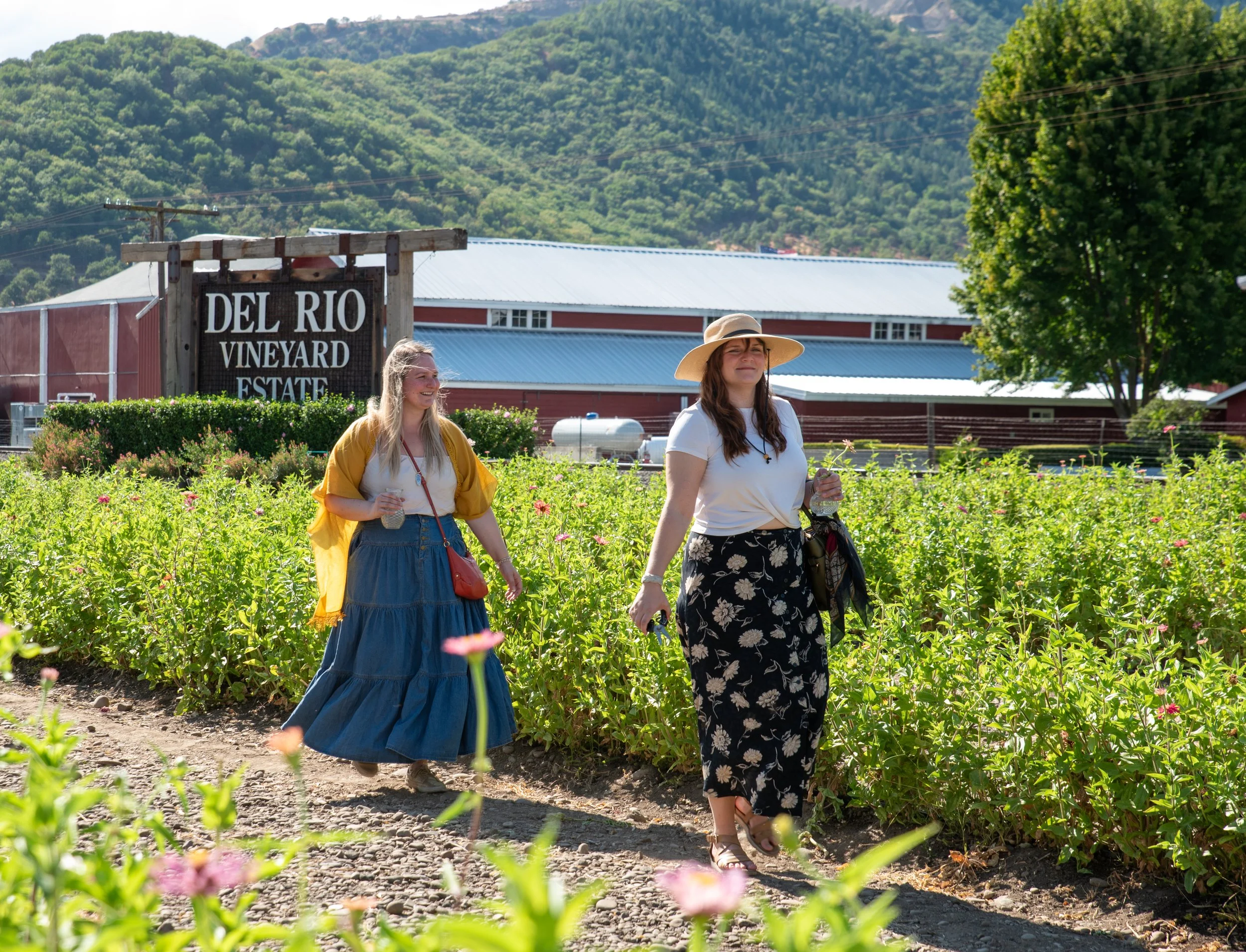
Despite its size, the Rogue Valley remains largely agricultural and rural in character. Vineyards share the landscape with orchards, ranches, forests, and small farms, creating a wine country that feels open, scenic, and closely tied to the surrounding land.
For visitors exploring Rogue Valley wineries, the region offers a wide variety of tasting experiences within a relatively short driving distance.
What Wines Is the Rogue Valley Known For?
Unlike some wine regions known for a single signature grape, the Rogue Valley is defined by its remarkable diversity. The region’s varied climate and soils allow winemakers to successfully grow grapes from several classic wine traditions.
Bordeaux Varieties
The warmest parts of the Rogue Valley provide excellent conditions for Bordeaux grape varieties. Wines made from these grapes often show ripe fruit, firm structure, and balanced acidity.
Common Bordeaux varieties grown in the region include:
Cabernet Sauvignon
Merlot
Cabernet Franc
Malbec
These wines often develop rich flavors and structured tannins, making them well suited for aging and food pairing.
Rhône Varieties
Many Rogue Valley winemakers also focus on Rhône varieties that thrive in warm, sunny climates. These grapes produce both red and white wines with expressive aromatics and layered flavors.
Examples include:
Syrah
Grenache
Mourvèdre
Viognier
Roussanne
Syrah in particular has become one of Southern Oregon’s standout varieties, producing wines that range from elegant and peppery to dark and powerful.
Spanish Varieties
Spanish grape varieties have also found a natural home in Southern Oregon. Tempranillo, in particular, has gained recognition for producing structured wines with savory notes and balanced acidity.
Some vineyards also experiment with varieties such as Albariño, further expanding the region’s diversity.
A Region of Diversity
In total, more than seventy grape varieties are planted across the Rogue Valley. This diversity reflects both the region’s complex terroir and the innovative spirit of its winemakers.
Rather than adhering to a single stylistic identity, many producers focus on discovering which grapes best express their specific vineyard sites.
Planning Your Visit to the Rogue Valley
Best Time to Visit
The Rogue Valley offers unique experiences in every season.
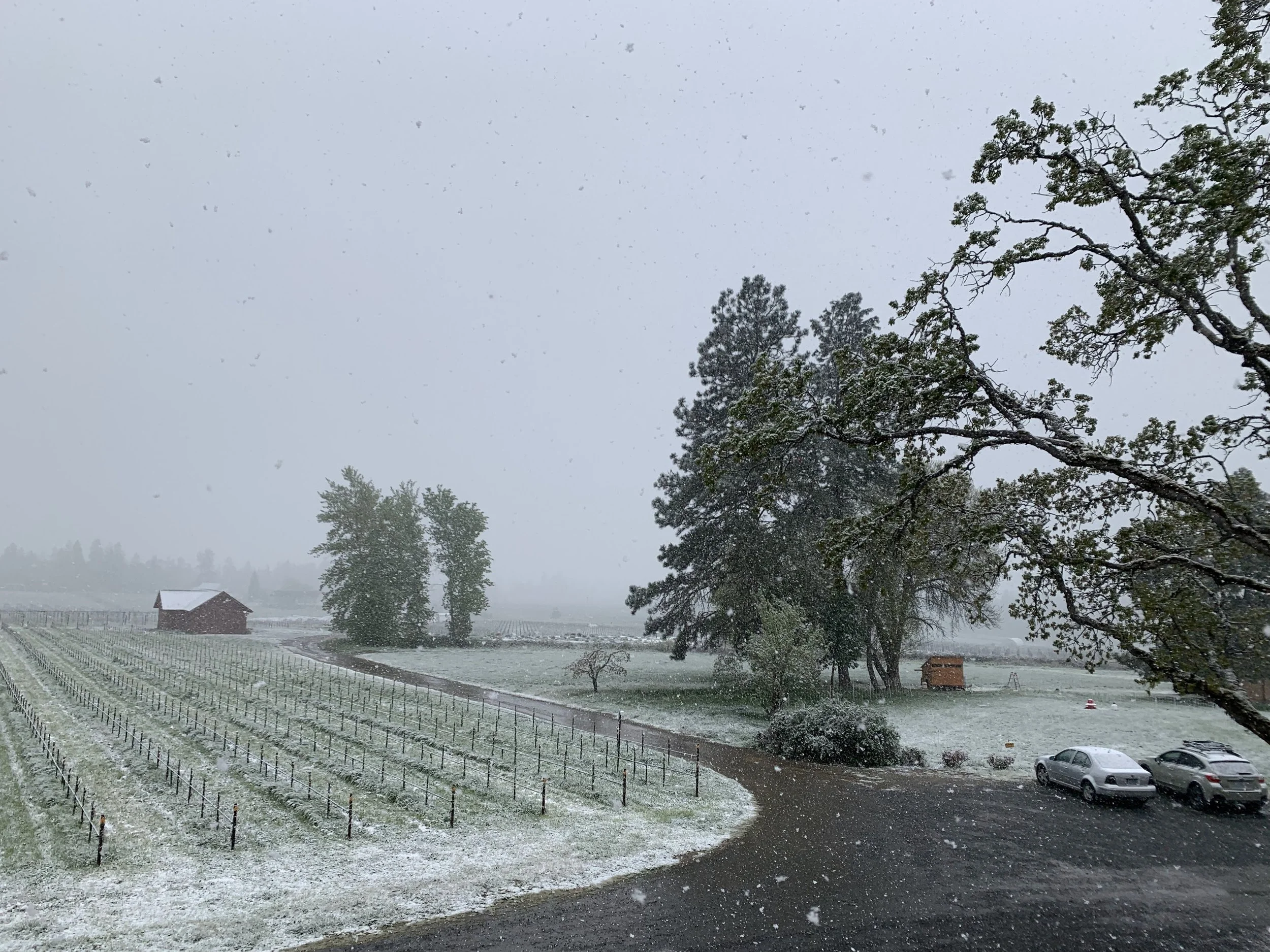
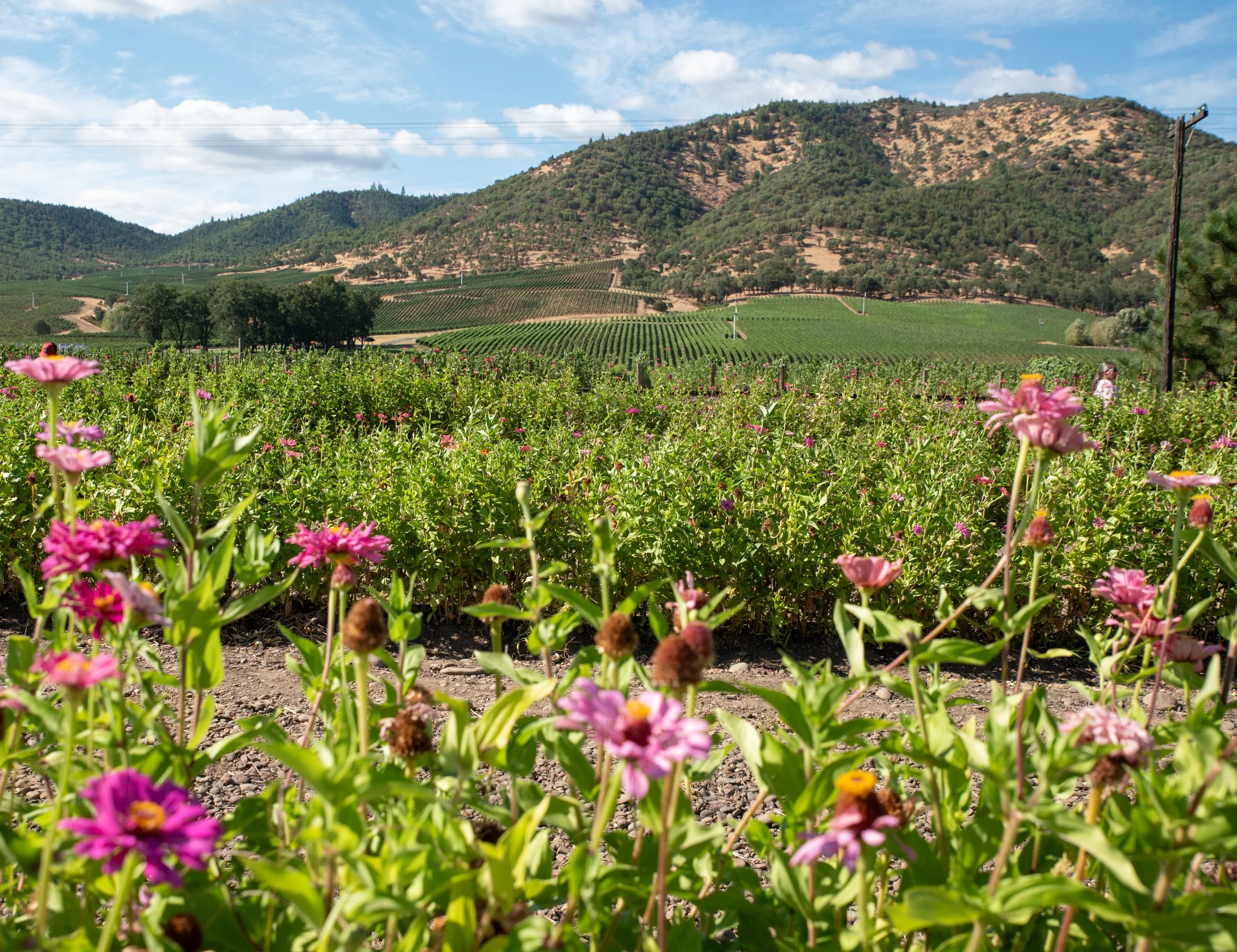
Spring brings vineyard bud break and wildflowers across the hillsides. Summer offers long sunny days ideal for outdoor tastings and scenic vineyard views. Fall is harvest season, when wineries are alive with activity and the surrounding landscapes turn shades of gold and red. Winter provides a quieter atmosphere with fewer crowds and more opportunities to enjoy relaxed conversations in tasting rooms.
What Makes Rogue Valley Wine Tasting Special
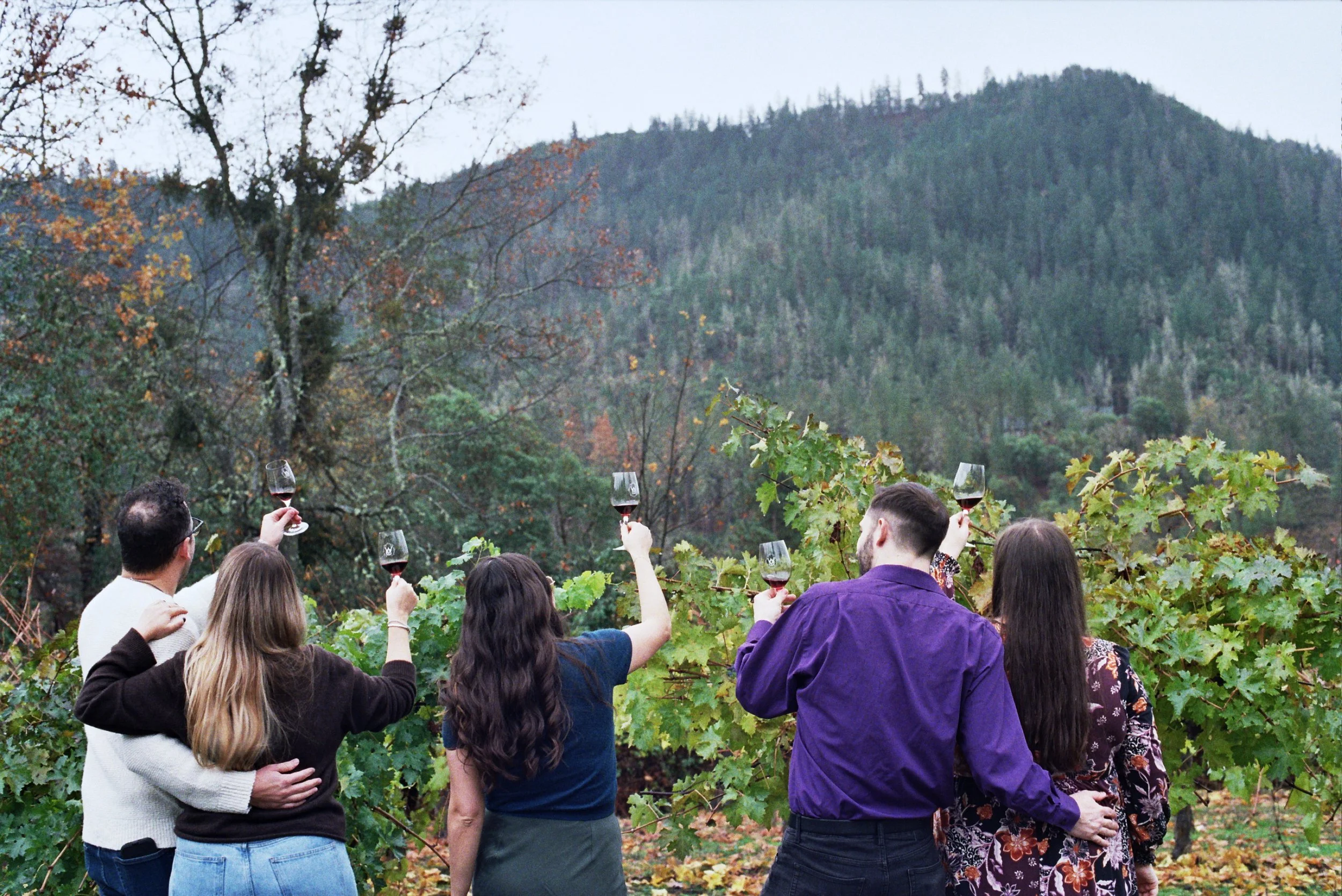
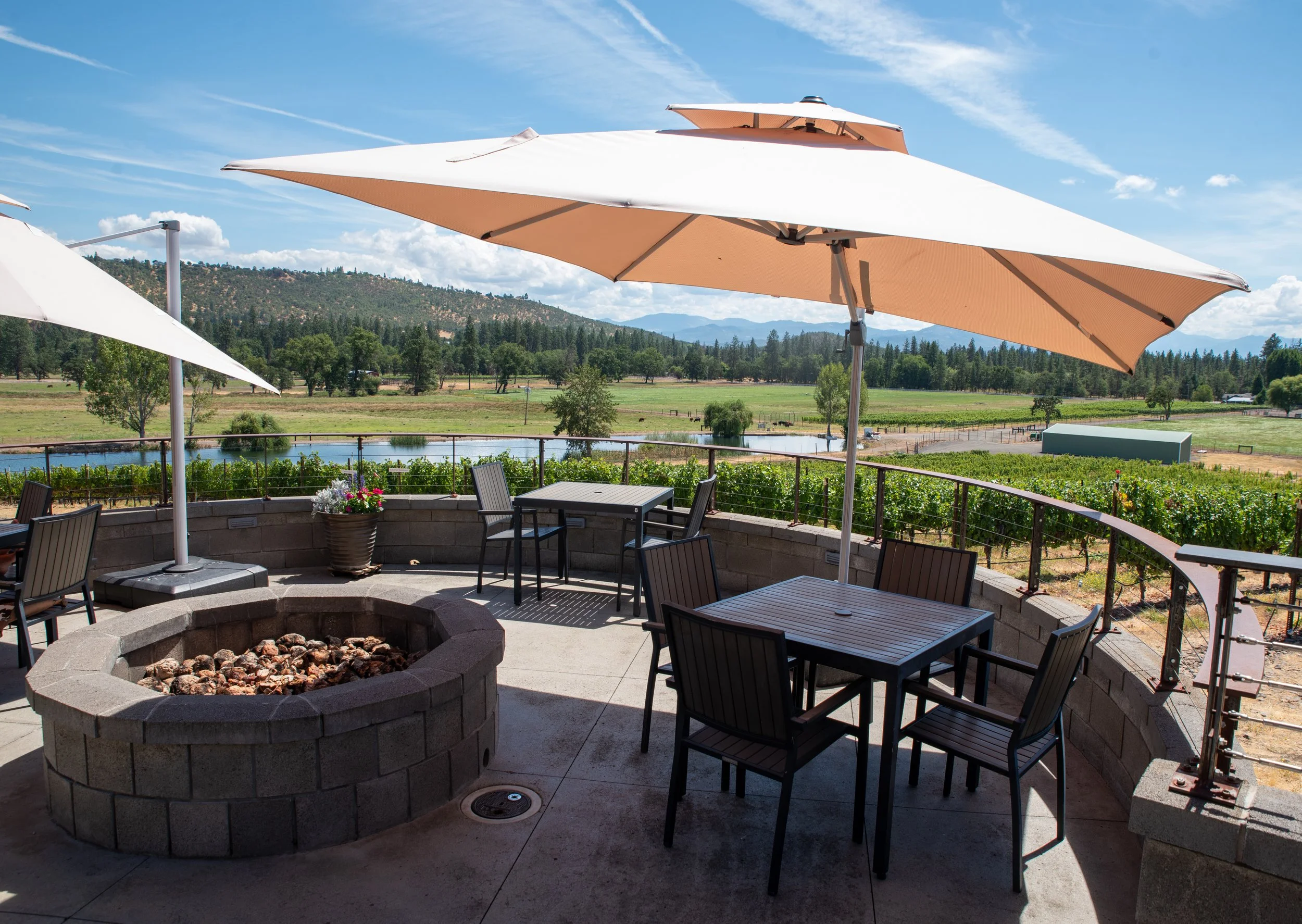
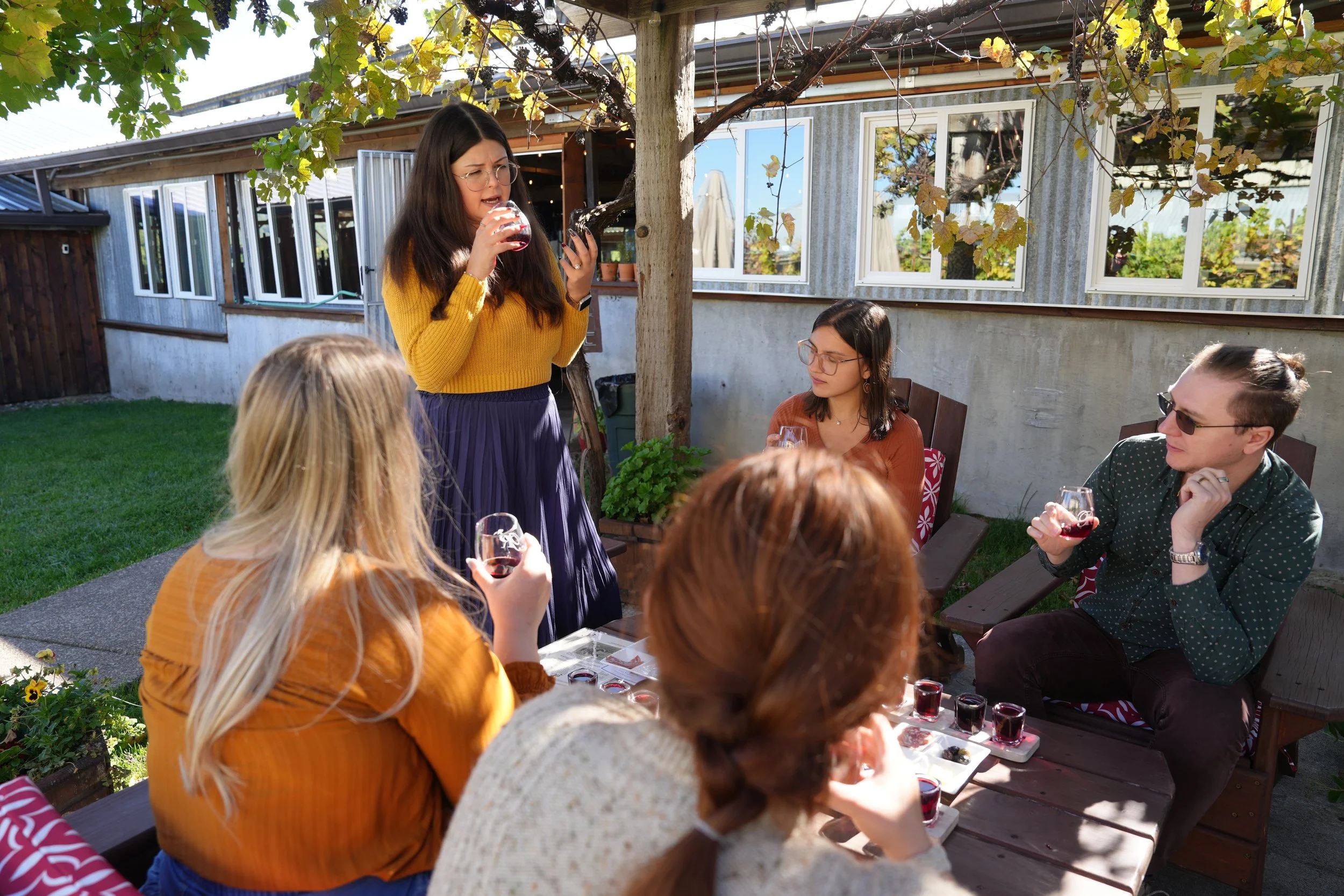
Wine tasting in the Rogue Valley combines beautiful landscapes with an approachable, welcoming atmosphere. Many wineries offer views of surrounding mountains, vineyards, and river valleys.
Because the region remains less crowded than some of Oregon’s larger wine destinations, visitors can often take their time enjoying each stop.


The Terroir of the Rogue Valley
The Rogue Valley’s wines are shaped by a complex combination of climate, elevation, and soils. These environmental factors, collectively known as terroir, create the conditions that allow such a wide range of grape varieties to grow successfully in the region.
Elevation and Climate
Vineyards in the Rogue Valley are planted at elevations ranging from roughly 900 feet to more than 2,000 feet above sea level. These changes in elevation create meaningful differences in temperature and growing conditions from one part of the region to another.
The climate is often described as Mediterranean, with warm, dry summers and relatively mild winters. During the growing season, daytime temperatures frequently reach the 80s and 90s, providing ample heat for ripening grapes.
Equally important are the cool nights that follow these warm days. As evening arrives, temperatures drop significantly due to mountain air flowing into the valleys. This day-to-night temperature swing, known as a diurnal shift, helps grapes retain acidity while gradually developing flavor and structure.
Climate conditions also vary across the valley. The eastern portion of the region near Medford and Ashland tends to be the driest with cooling elevation influences, while areas farther west receive slightly more rainfall and cooling marine influences.
Soils
The Rogue Valley sits at the intersection of several geologic regions, giving it a remarkable diversity of soils. Over millions of years, tectonic activity, volcanic events, and river systems have created a complex patchwork of soil types throughout the valley.
This diverse geology produces a wide mix of metamorphic, sedimentary, and volcanic-derived soils. Valley floors are often composed of deep alluvial deposits or heavier clay soils formed from ancient river sediments. These soils can retain moisture well and support steady vine growth.
On hillsides and elevated benchlands, soils tend to be more varied. Vineyards in these locations may contain combinations of alluvial material, silt, clay, and decomposed rock washed down from surrounding mountains. These mixed soils typically provide good drainage and can encourage vines to develop deeper root systems.
The region’s geology is further shaped by complex faulting, particularly in the western Rogue Valley. As a result, soil composition can change dramatically within relatively small areas, sometimes even within a single vineyard block.
Drainage and moisture-holding capacity vary widely across these soil types. While many soils retain winter and spring rainfall into the early growing season, irrigation is often necessary during the warm, dry months of mid- to late summer. These differences in soil structure and water availability contribute to the wide range of wine styles produced throughout the Rogue Valley.
Why the Terroir Matters
The Rogue Valley’s climate and soils allow grapes to ripen fully while preserving the acidity needed for balanced wines. As a result, the region produces wines ranging from delicate Pinot Noirs to robust Bordeaux blends; from oaked, fleshy Chardonnay to pretty, high acid aromatic whites. This versatility is one of the defining characteristics of the Rogue Valley wine region.

Subregions of the Rogue Valley
Because the Rogue Valley covers such a large geographic area, it includes several smaller growing regions with their own distinctive conditions.
Applegate Valley AVA
Located southwest of Jacksonville and Grants Pass, the Applegate Valley AVA is a sub-appellation of the Rogue Valley known for boutique wineries and diverse grape varieties.
The valley’s elevation and slightly cooler climate support Rhône varieties, Tempranillo, and aromatic whites. Its rural landscape and small-scale wineries create one of the most relaxed and personal wine tasting experiences in Southern Oregon.
Bear Creek Wine Trail
The Bear Creek Valley surrounds the cities of Medford and Ashland and represents one of the warmest growing areas within the Rogue Valley.
These warmer conditions make the area particularly well suited for Bordeaux varieties such as Cabernet Sauvignon, Merlot, and Cabernet Franc.
Visitors exploring Ashland wineries or Medford wine tasting rooms often encounter these fuller-bodied wines alongside scenic vineyard views.
Upper Rogue Wine Trail
In the northeastern part of the Rogue Valley, the Upper Rogue Wine Trail highlights a small collection of family-owned wineries nestled along the Rogue River.
The region’s warmer climate allows producers to grow a wide range of grapes, including bold reds such as Tempranillo, Zinfandel, and Bordeaux varieties, alongside expressive whites like Sauvignon Blanc, Pinot Gris, and Chardonnay.
The trail also sits near the iconic Upper and Lower Table Rocks, two volcanic plateaus that offer some of the most dramatic views in the Rogue Valley.
Jacksonville
Just west of Medford lies the historic gold rush town of Jacksonville, one of Southern Oregon’s most charming wine destinations.
Within a short drive of the town’s historic downtown district, visitors can find a remarkable diversity of wineries producing Rhône varieties, Bordeaux blends, and even Pinot Noir from cooler hillside vineyards.
Tasting experiences in the Jacksonville area range from intimate in-town tasting rooms with gardens and live music to rural vineyard estates offering panoramic views of the Rogue Valley.
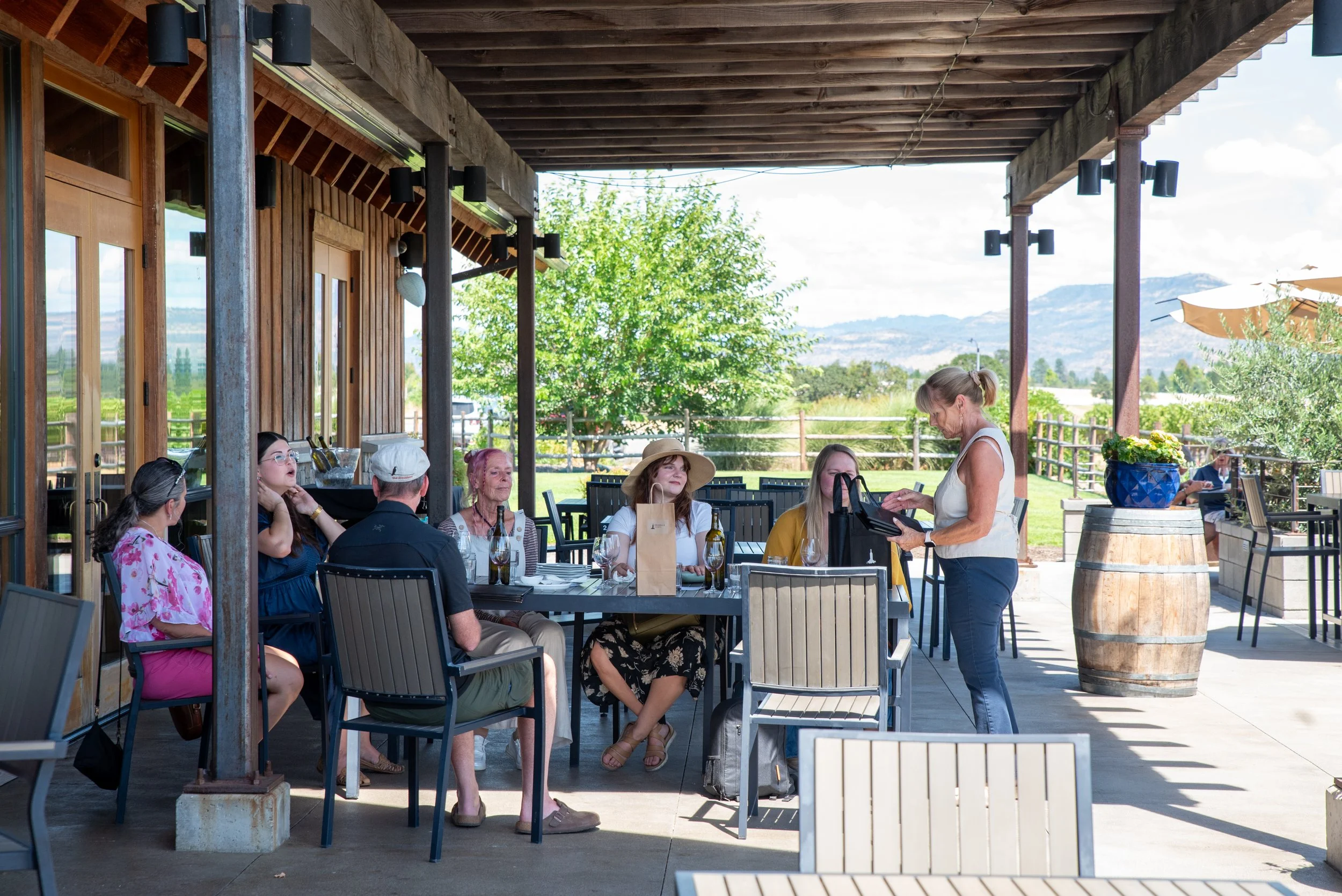
Explore the Rogue Valley with Latitude Wine Tours
Many visitors choose to explore Southern Oregon wine country through curated wine tours that highlight the region’s diverse vineyards and wineries.
At Latitude Wine Tours, our experiences are designed to showcase the character of the Rogue Valley while allowing guests to relax and enjoy the journey. Guided tours offer insight into the region’s history, vineyards, and winemaking traditions while handling transportation and reservations.
Whether visiting Southern Oregon for the first time or returning to explore new wineries, a curated tour can help reveal the stories behind the wines and landscapes of the Rogue Valley.