
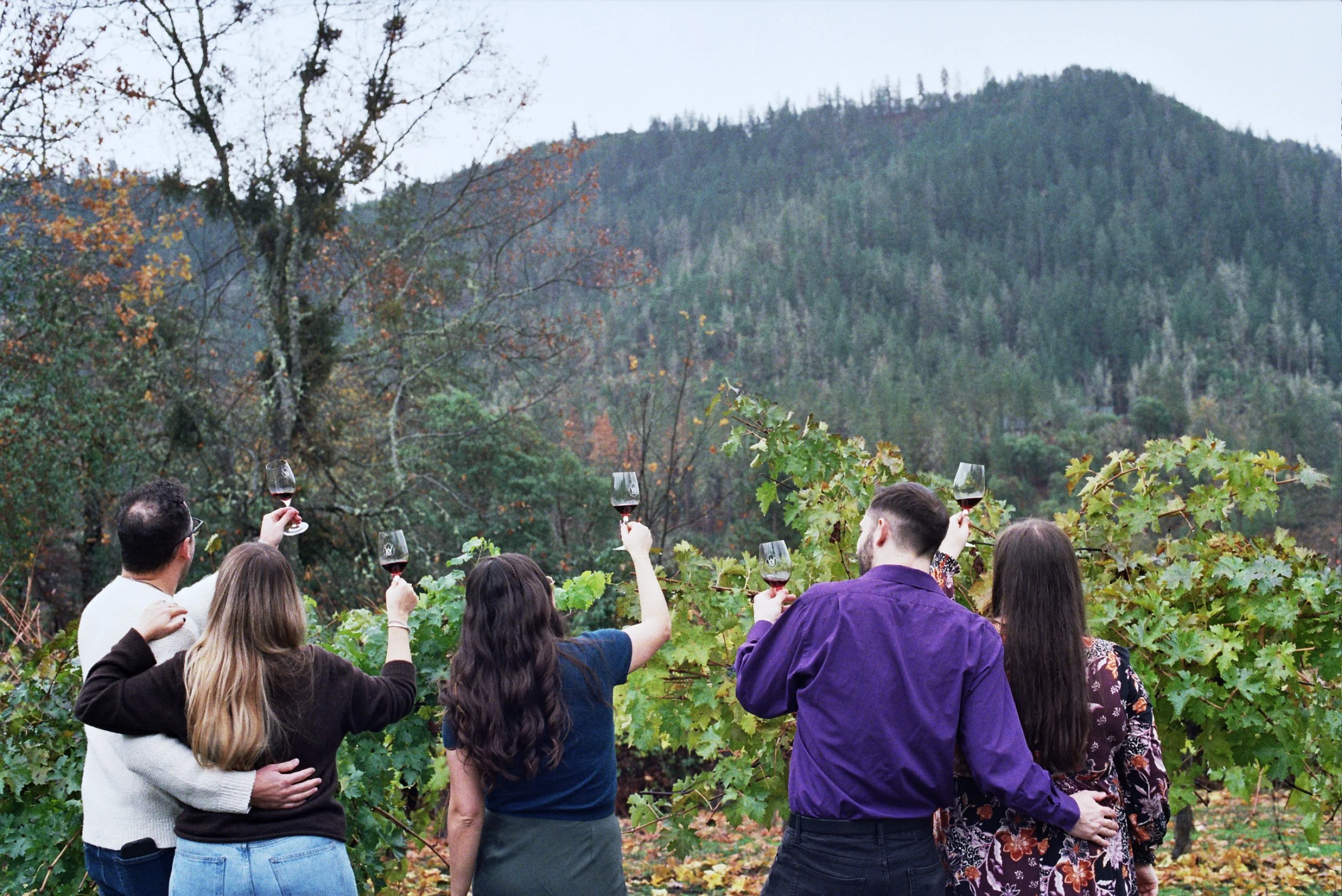
The Applegate Valley AVA: A Guide to One of Southern Oregon’s Most Distinct Wine Regions
Tucked into the Siskiyou Mountains of Southern Oregon, the Applegate Valley AVA is one of the state’s most distinctive wine regions. A sub-appellation of the larger Rogue Valley AVA, this small but vibrant wine-growing area has developed a reputation for expressive wines, diverse grape varieties, and a close-knit community of independent producers.
Vineyards in the Applegate Valley are typically planted between 1,000 and 1,500 feet in elevation, where warm summer days and cool mountain nights create ideal conditions for balanced, complex wines. The region’s climate and soils allow grapes to ripen fully while maintaining the acidity that gives wines freshness and structure.
Today, the valley is particularly known for Viognier, Syrah, and other Rhône-inspired varieties, as well as Spanish varieties like Tempranillo and Bordeaux varieties like Cabernet Sauvignon. Its varied terroir encourages experimentation with many different grapes. Rather than focusing on a single signature style, Applegate Valley wineries emphasize wines that reflect their vineyard sites and the landscape around them.
This guide explores the terroir, wines, wineries, and visitor experience that make the Applegate Valley one of Southern Oregon’s most compelling wine destinations.
Where Is the Applegate Valley AVA?
The Applegate Valley AVA lies in Southern Oregon, stretching roughly fifty miles along the Applegate River from the California border north toward Grants Pass. Established as its own American Viticultural Area in 2000, it is fully nested within the larger Rogue Valley AVA.
The appellation spans portions of Jackson and Josephine counties, with vineyards scattered along quiet country roads west of Jacksonville and south of Grants Pass. Larger towns like Medford and Ashland are less than an hour away, making the region accessible while still feeling pleasantly rural.
Although the Pacific Ocean sits only about forty-five miles to the west, the Siskiyou Mountains shelter the valley from direct coastal weather. Marine air still reaches the vineyards, but it travels inland through river corridors before drifting into the valley.
This geography creates a landscape defined by rolling vineyards, ranches, lavender farms, and forested hillsides, giving the Applegate Valley wine trail a scenic and agricultural character that sets it apart from more densely developed wine regions.
For visitors seeking relaxed Applegate Valley wine tasting, the setting feels both peaceful and deeply connected to the land.
What Wines Is the Applegate Valley Known For?
While the Applegate Valley grows many grapes successfully, a few varieties have emerged as standouts thanks to the region’s warm days, cool nights, and well-drained soils.
Red Rhône Varieties
Many winemakers in the valley also work with Rhône grape varieties, including:
Syrah
Grenache
Mourvèdre
These grapes respond well to the region’s Mediterranean-style climate and can produce wines ranging from elegant and peppery to dark and powerful.
Viognier
Among white wines, Viognier has developed a strong following in the region. This Rhône Valley grape produces aromatic wines with notes of stone fruit, citrus blossom, and spice.
The Applegate Valley’s warm days help Viognier develop rich flavors, while the cool nights help preserve the acidity that keeps these wines lively and expressive.
Tempranillo
Tempranillo has become one of the signature grapes of the Applegate Valley. Originally from Spain, it thrives in warm, dry climates with significant day-to-night temperature shifts.
In Southern Oregon, Tempranillo often produces wines with savory aromas, structured tannins, and balanced acidity, making it particularly well suited for food pairing.
A Region of Diversity
Unlike some wine regions known for a single dominant variety, the Applegate Valley embraces diversity.
Other grapes commonly grown in the region include:
Merlot
Cabernet Franc
Chardonnay
Malbec
Vermentino
Riesling
Sauvignon Blanc
This wide range of plantings reflects both the valley’s varied terroir and the independent spirit of its winemakers, many of whom experiment to discover which varieties best express their individual vineyard sites.
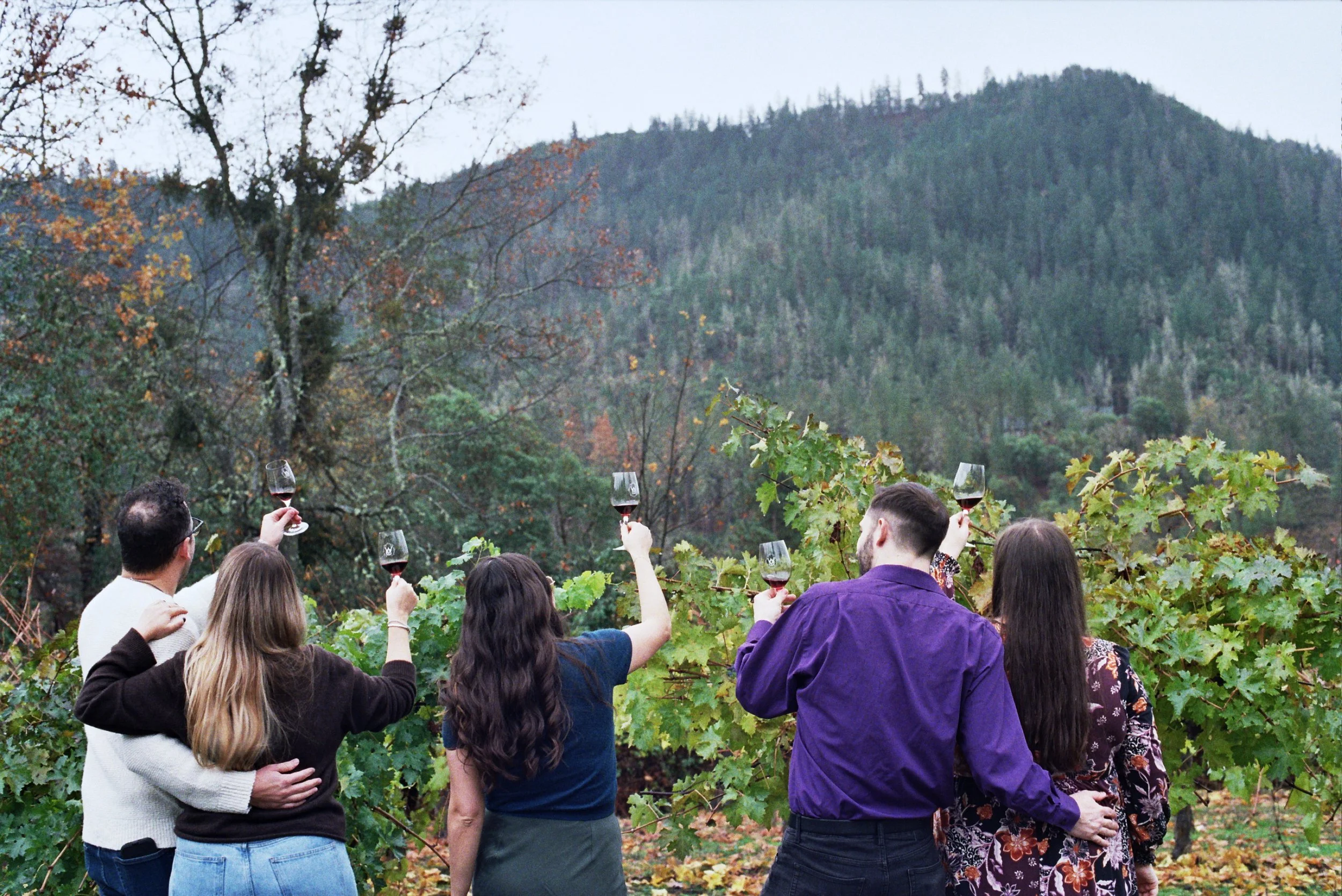
Planning Your Visit to the Applegate Valley
Best Time to Visit
The Applegate Valley offers something unique in every season.
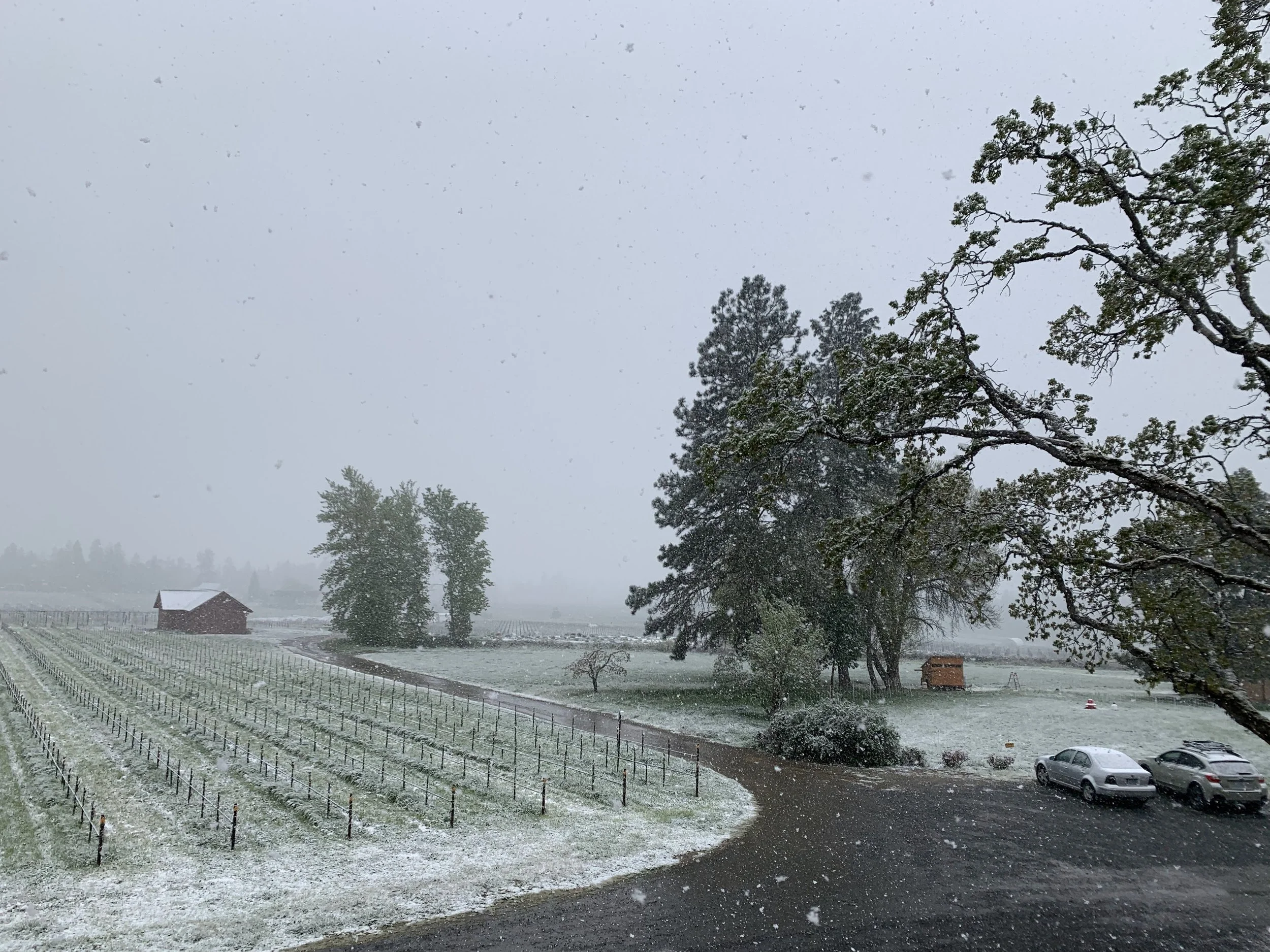
Spring brings vineyard bud break and wildflower blooms.
Summer offers warm weather and long days perfect for vineyard views and outdoor tastings.
Fall is harvest season, when wineries are at their most energetic.
Winter provides a quieter experience with fewer crowds and more opportunities for conversation in tasting rooms.
What Makes Applegate Valley Wine Tasting Special
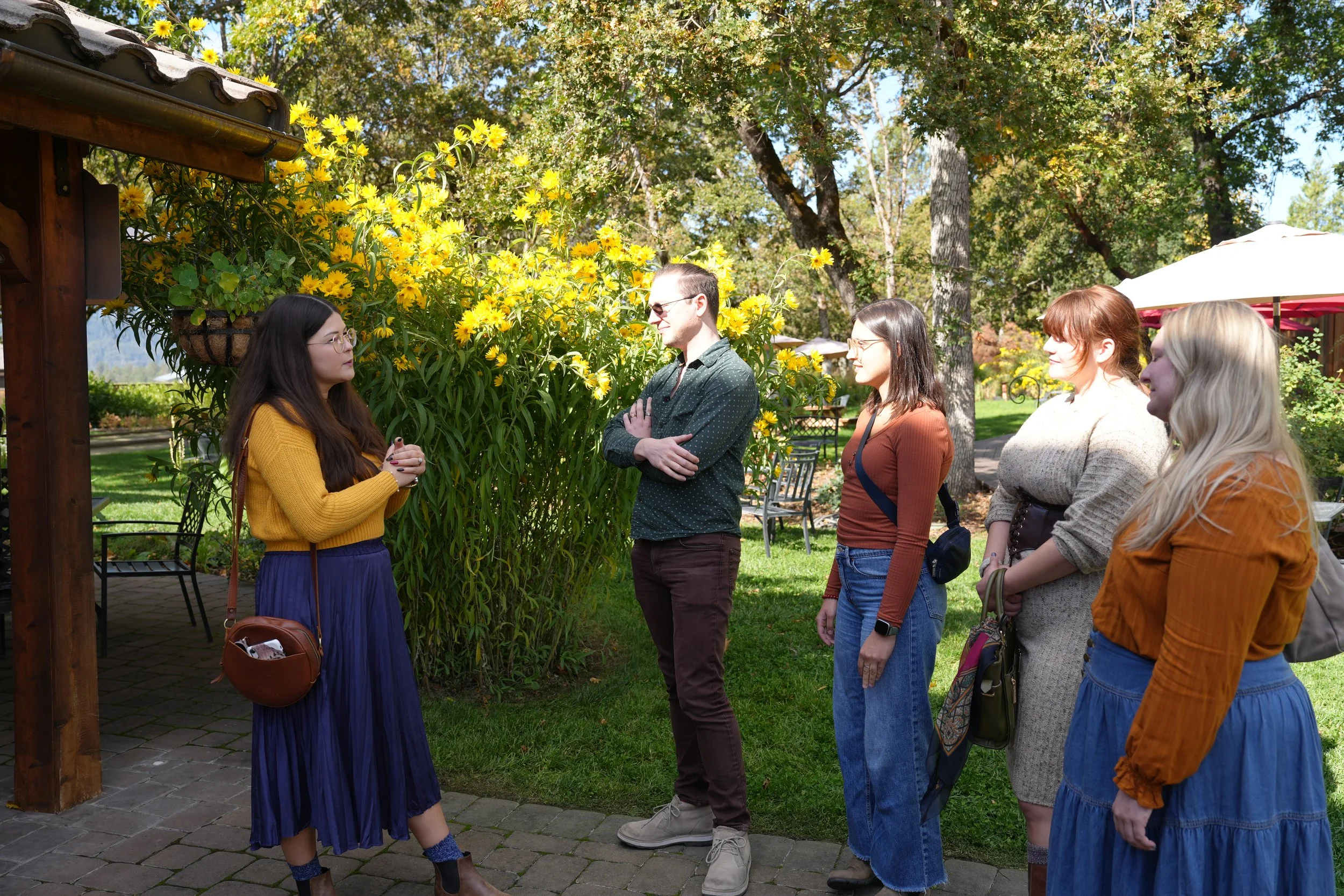
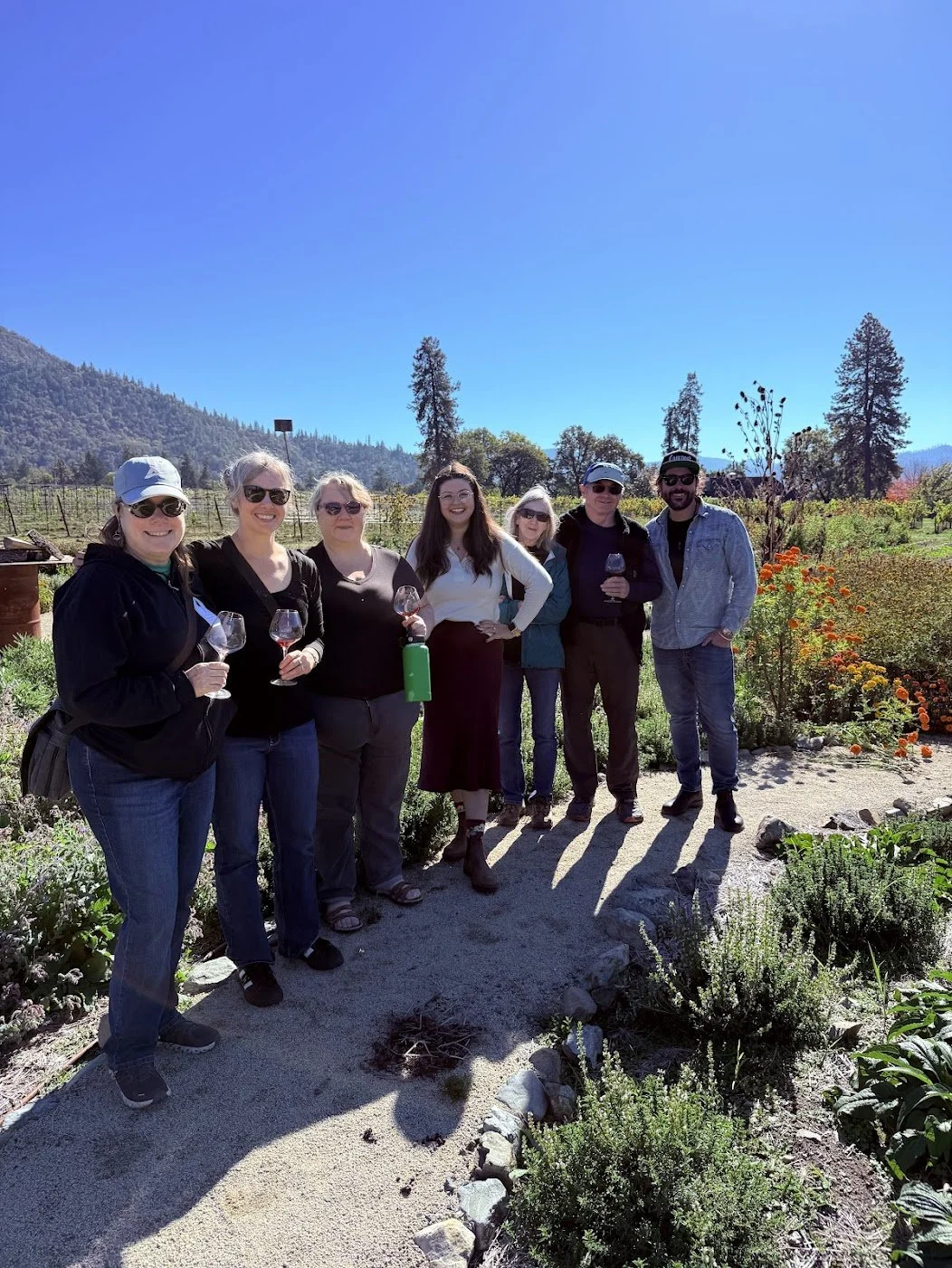
Wine tasting in the Applegate Valley feels refreshingly relaxed. Scenic drives connect wineries along winding country roads, often with views of mountains, vineyards, and the Applegate River.
Because the region is relatively small and uncrowded, visitors can take their time enjoying each stop.

The Terroir of the Applegate Valley
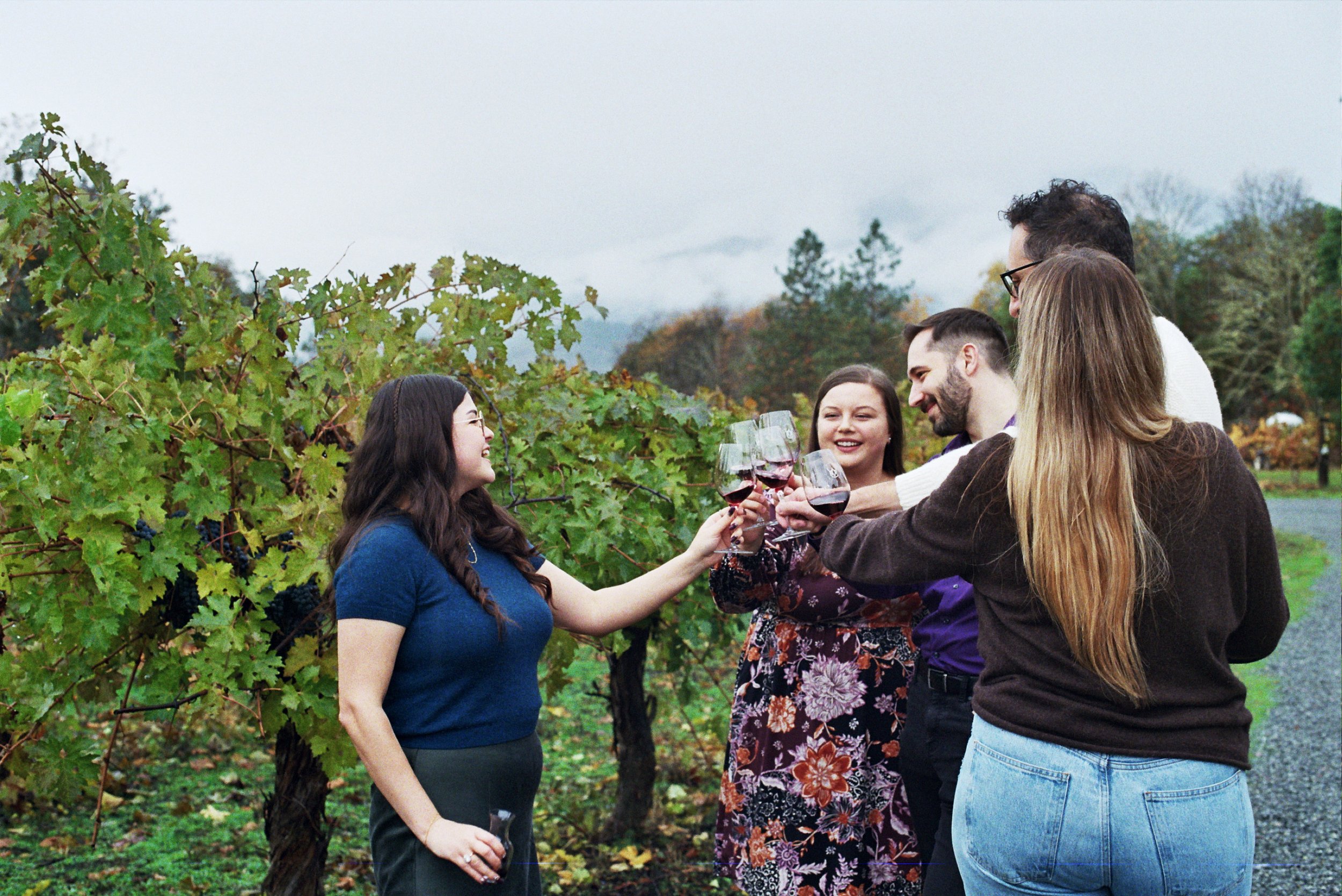
The wines of the Applegate Valley are shaped by a unique combination of elevation, climate, and soils. Together, these elements form the region’s terroir: the environmental factors that influence how grapes grow and how wines ultimately taste.
Elevation and Climate
Most vineyards in the Applegate Valley sit between 1,000 and 1,500 feet above sea level, giving them a slightly cooler growing environment than nearby valley floors.
The region experiences warm, dry summers, with daytime temperatures often reaching the 80s and low 90s. Rainfall during the growing season is minimal, allowing grapes to ripen consistently.
Just as important as the warm days are the cool nights. After sunset, temperatures drop quickly as cool air flows down from the surrounding mountains and marine influences filter inland. This dramatic difference between daytime and nighttime temperatures, known as a diurnal shift, helps grapes retain acidity while slowly developing flavor and structure.
The result is wines that combine ripe fruit with freshness and balance.
Soils
Much of the Applegate Valley’s vineyard land was shaped by ancient river systems and mountain erosion.
Many sites contain alluvial soils, formed from sediments deposited by rivers over thousands of years. These soils are typically well-drained and moderately fertile, conditions that encourage steady vine growth.
Other vineyards sit on granite-based soils, particularly along hillside benches where material from the surrounding mountains has accumulated. These rockier soils drain quickly and often lead to lower yields and more concentrated fruit flavors.
Because the region receives most of its rainfall in winter and spring, some vineyards rely on irrigation during the dry summer months, though others are dry-farmed. The warm, dry growing season also means low disease pressure, allowing many producers to practice sustainable or organic farming, including two biodynamic vineyards.
Why the Terroir Matters
Together, these conditions allow grapes to ripen fully without losing acidity, a balance that is essential for producing complex wines.
The Applegate Valley terroir tends to produce:
Structured, savory red wines
Aromatic white wines with bright acidity
Wines that show both richness and freshness
This versatility helps explain why the region supports such a wide range of grape varieties.

A Boutique Wine Region
One of the defining characteristics of the Applegate Valley is its boutique scale.
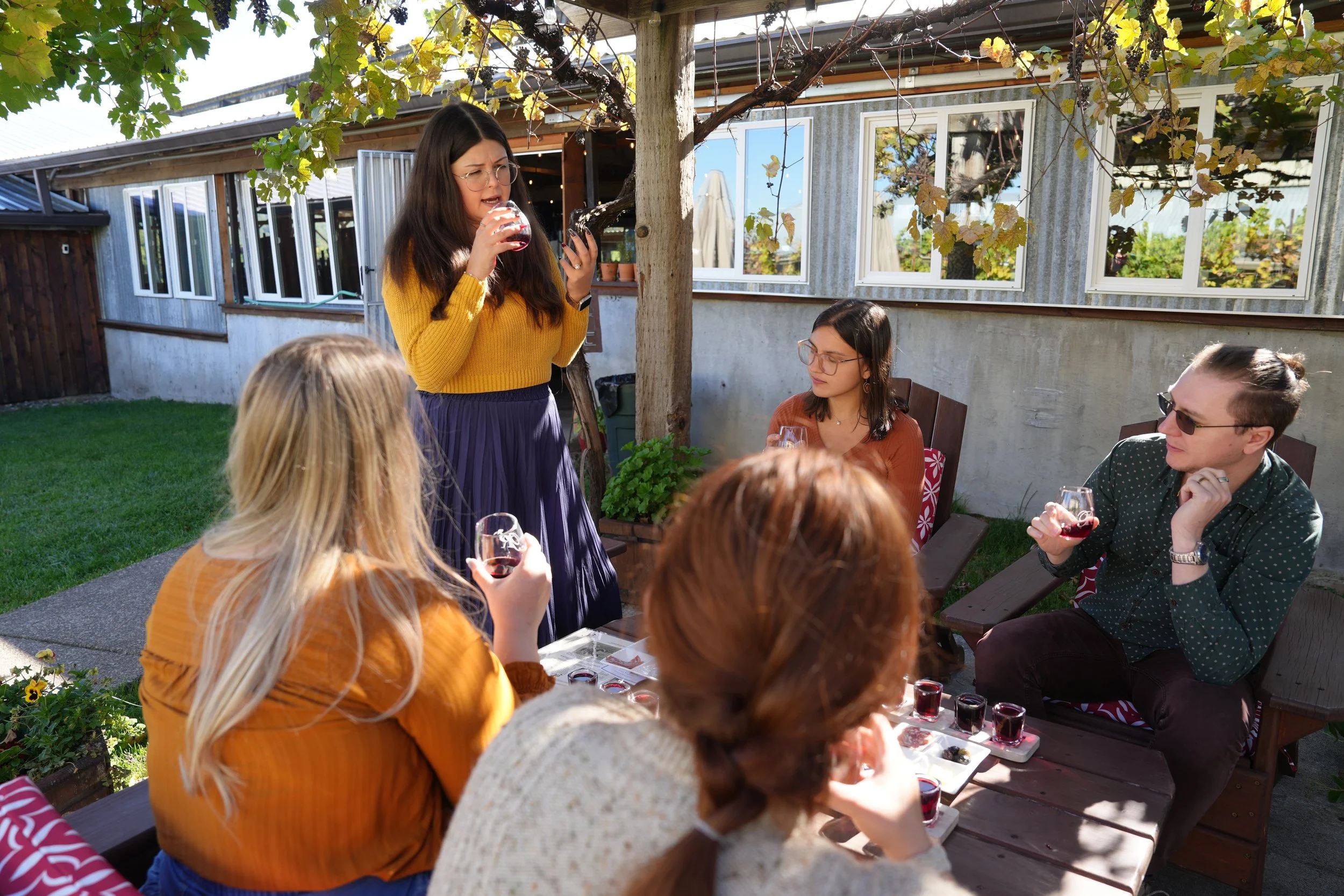
Compared with larger wine regions, most Applegate Valley wineries remain small, family-run operations focused on estate-grown fruit and limited production. Instead of large tasting complexes or tour buses, visitors often encounter intimate tasting rooms where the person pouring the wine might also be the vineyard manager or winemaker.
This small-scale approach creates a wine tasting experience that feels relaxed and personal. Guests can ask questions, learn about the vineyards, and spend time exploring the wines without feeling rushed.
For travelers seeking Southern Oregon wineries that prioritize craftsmanship and hospitality, the Applegate Valley offers a particularly welcoming experience.
Notable Wineries in the Applegate Valley
The Applegate Valley is home to a collection of passionate producers crafting distinctive wines.
Troon Vineyard
Known for its biodynamic farming practices and low-intervention winemaking philosophy, Troon Vineyard focuses on Rhône varieties and site-driven wines.
Plaisance Ranch
A historic ranch property producing estate wines alongside organic grass-fed beef, reflecting the valley’s agricultural heritage.
Schmidt Family Vineyards
A picturesque estate winery known for their remarkably wide selection of wines, lively events, and wood-fired pizza.
A scenic vineyard in the Slagle Creek watershed, combining native yeast fermentation with a strong commitment to sustainable vineyard stewardship to produce small-lot wines.
A micro-production winery owned and operated by Marcos and Heidi Martin, specializing exclusively in Bordeaux varieties.
Cowhorn Vineyard & Garden
A pioneering biodynamic estate specializing in Rhône varieties and sustainably farmed vineyards.
Wooldridge Creek Winery
Produces a wide range of varietal wines while offering sweeping views of the surrounding hills.
Together, these wineries represent the diversity and creativity that define the Applegate Valley wine scene.
Explore the Applegate Valley with Latitude Wine Tours
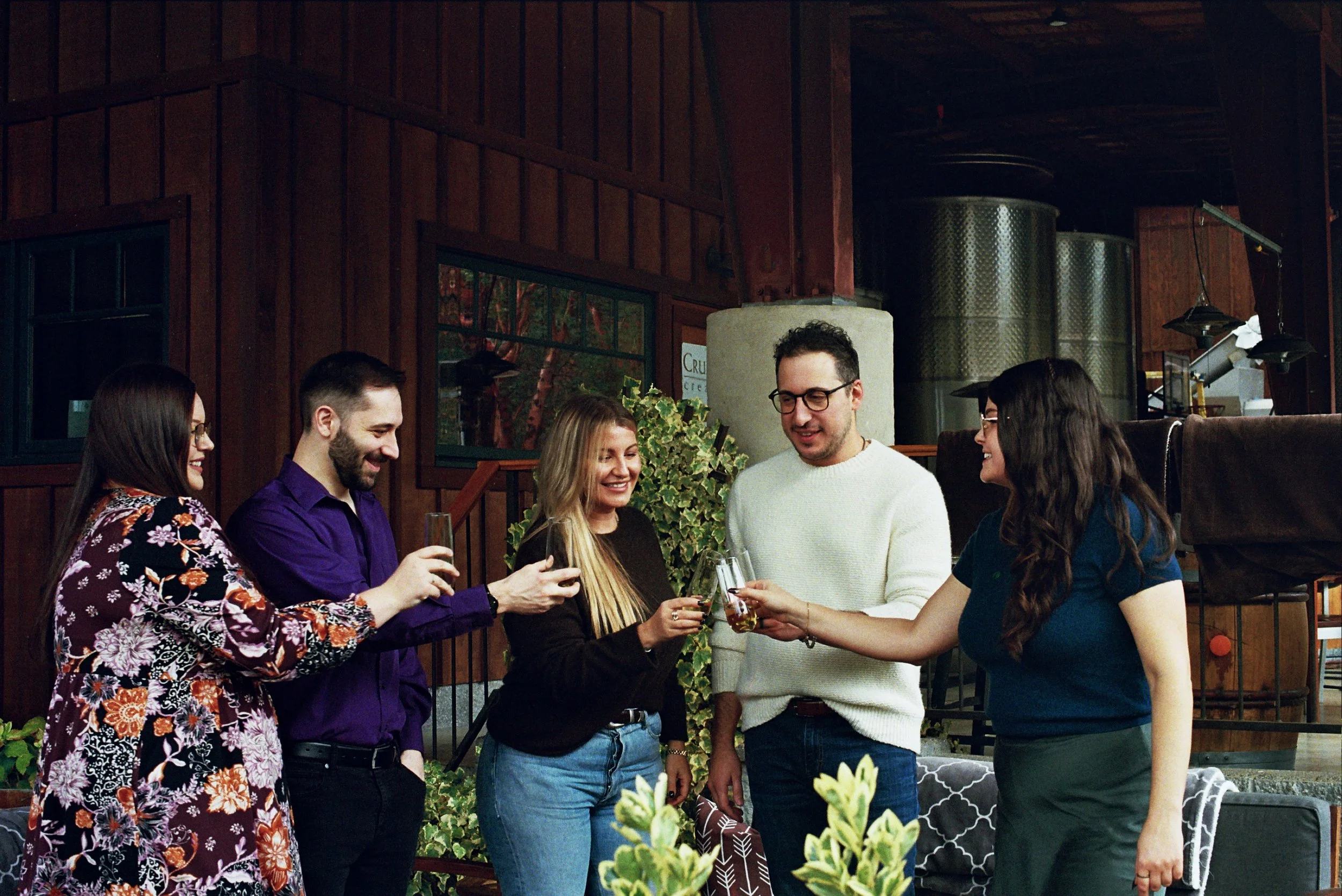
Many visitors choose to explore the region through curated wine tours that highlight the valley’s unique terroir and boutique producers.
At Latitude Wine Tours, our Applegate Valley experiences are designed to showcase the diversity and character of the region. Guided tours allow guests to relax and enjoy the journey while learning about the vineyards, wines, and history that shape Southern Oregon wine country.
Whether you’re new to the region or returning to explore more deeply, a curated tour can help reveal the hidden stories behind the wines.